Meditation vs. Qigong vs. Energy Healing: What Is the Difference?

Meditation, qigong, and energy healing often appear in the same conversation, but they are not the same practice. They overlap because all three invite you to slow down, listen inward, and work with attention. The difference is where the practice begins.
Meditation usually begins with awareness. You sit, stand, walk, or lie down and place attention on something simple: the breath, the body, a sound, a phrase, or the present moment itself. The purpose is not to empty the mind by force. It is to notice thoughts without being pulled by every one of them. Meditation is a good fit if you want a quiet practice that can be done almost anywhere.
Qigong begins with movement and breath. It comes from Chinese health and martial traditions and often uses slow, repeated movements paired with relaxed breathing. The body is not treated as a distraction from awareness. It becomes the doorway into awareness. Qigong can be a good fit if sitting still feels frustrating or if your stress shows up as physical tension.
Energy healing begins with the idea of subtle balance. Depending on the tradition, a practitioner may use hands-on or hands-off methods, visualization, breath, sound, intention, or ritual objects. For self-practice, energy healing often looks like checking in with your state, choosing an intention, and using a symbolic action to shift your focus. It may be a good fit if you respond strongly to meaning, atmosphere, and ritual.
So which one should you choose? If your mind feels scattered, start with meditation for five minutes. If your body feels locked or restless, start with qigong-style movement. If you feel emotionally heavy or disconnected from meaning, start with a simple energy ritual.
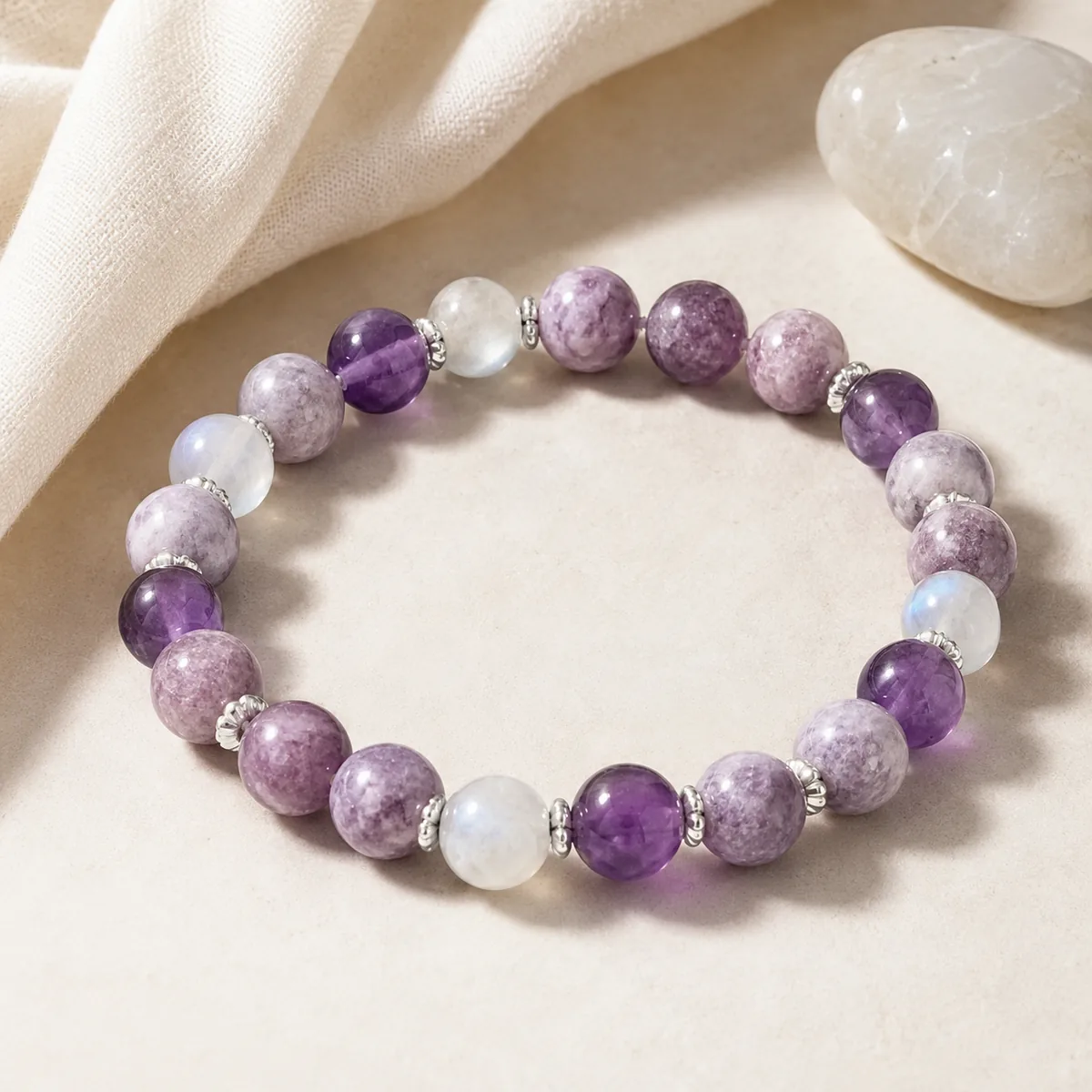
You can also combine them. A two-minute PietraSoul ritual might look like this: put on your bracelet, take three slow breaths, roll the shoulders, and name one intention for the next part of the day. That includes meditation, movement, and energy language in a small, realistic format.
The key is to avoid turning wellness into another performance. You do not need the perfect cushion, the perfect sequence, or the perfect spiritual vocabulary. You need a practice you will actually repeat.
For a morning routine, choose one clear cue. For example, a blue-toned bracelet can remind you to begin slowly before opening your inbox. A dark grounding bracelet can mark the start of focused work. A soft pink bracelet can signal a gentler evening reset.
Meditation trains attention. Qigong moves attention through the body. Energy healing gives attention symbolic direction. Each path can support the others, and none of them need to be dramatic to be worthwhile.
Related Formulas